 Waxahachie Flooring Co.
Vinyl Plank Flooring in Waxahachie, TX
Waterproof luxury vinyl plank for kitchens, bathrooms, and busy family rooms, built to handle slab movement better than any other material we install.
Waxahachie Flooring Co. is the vinyl plank flooring Waxahachie TX homeowners pick for a fully waterproof, wood-look floor that can handle whatever a busy household throws at it. Luxury vinyl plank, often called LVP, is one of the most popular flooring choices we install today, and for good reason: it looks like hardwood, costs less, and shrugs off water, pets, and daily wear better than almost anything else on the market. We install both click-lock floating LVP and glue-down vinyl, choosing the right method for your subfloor and room.
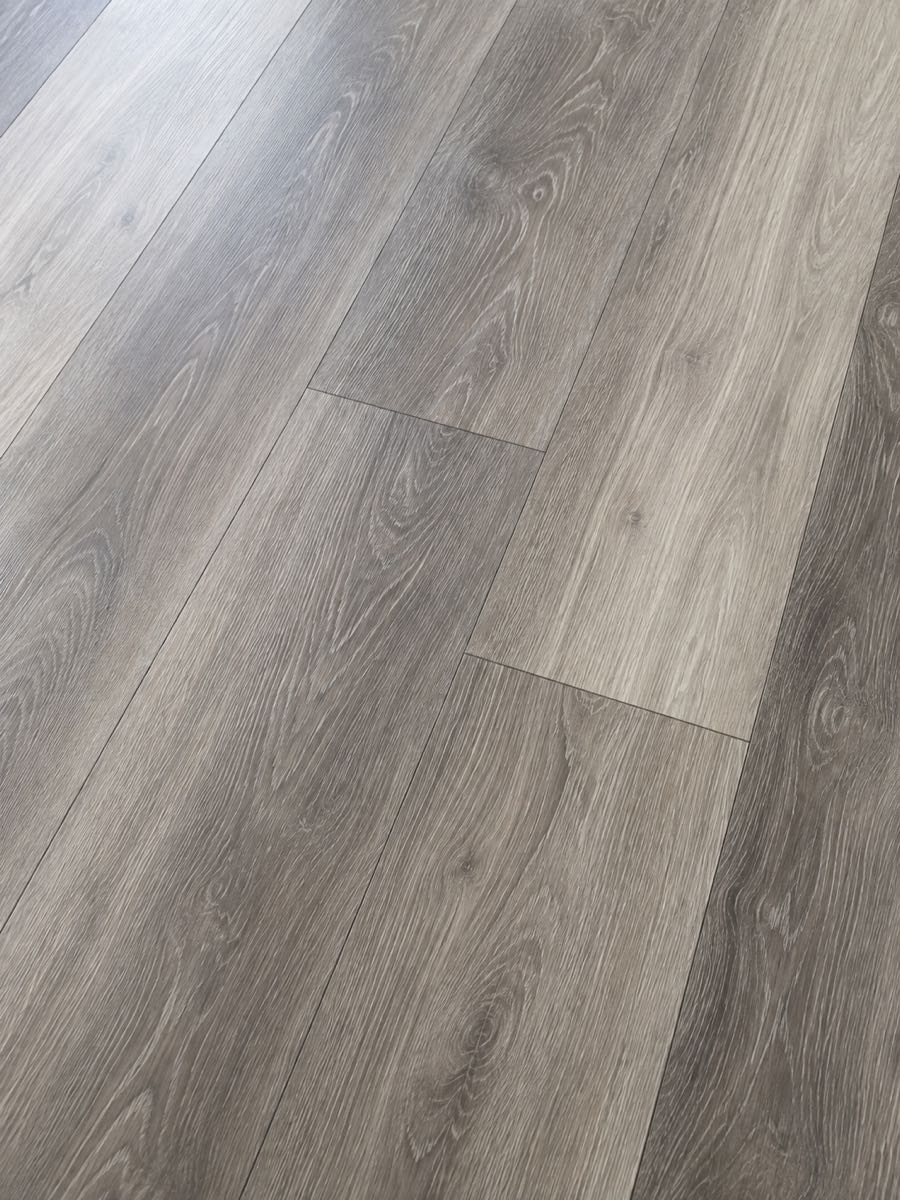
What Vinyl Plank Flooring Installation Involves
Most vinyl plank flooring installs as a floating floor, with planks clicking together over a thin underlayment, similar to laminate but with a fully waterproof core instead of a wood-fiber one. Some products are glued directly to the subfloor instead, which we typically recommend for larger commercial-feel spaces or where extra stability is needed. Either way, we start by checking the subfloor for flatness and moisture, since even a waterproof floor needs a clean, level surface to perform the way it's supposed to. Vinyl plank can go over concrete slabs, plywood, and in many cases existing tile or vinyl, which often keeps costs down by skipping a full tear-out.
When You Need Vinyl Plank Flooring
Vinyl plank is the material we recommend most often for kitchens, bathrooms, laundry rooms, and mudrooms, anywhere water is a regular part of daily life. It's also a strong choice for homes with dogs, cats, or young kids, since it resists scratches and stains far better than hardwood or carpet. If you're replacing flooring that was previously damaged by water or you want one consistent material that can run from your kitchen into an open-concept living room without a moisture-related transition, vinyl plank is usually the answer.
Why Vinyl Plank Flooring Problems Happen
Vinyl plank is more forgiving than most materials, but it isn't immune to issues. The most common problem is seams separating or planks peaking slightly, which usually traces back to a subfloor that wasn't flat enough at installation or expansion room that wasn't left around the room's perimeter. Ellis County's clay soil movement plays a role here too: while vinyl plank handles minor slab flex far better than tile or hardwood, a large enough shift can still stress seams over time if the installer didn't plan for it. Glue-down vinyl can also fail if moisture gets trapped between the vinyl and the slab, which is why we always test slab moisture before choosing a glue-down approach.
What Affects Vinyl Plank Flooring Cost
Wear layer thickness is the main driver of both price and durability. A thicker wear layer costs more upfront but resists scratches and dents longer, which matters if you have large dogs or a high-traffic household. Click-lock versus glue-down installation affects labor cost, and square footage, subfloor prep, and removal of existing flooring all factor into your final number. We walk through all of it during your free in-home estimate so there are no surprises on install day.
Repair vs. Replacement for Vinyl Plank Flooring
Click-lock vinyl plank is one of the easier materials to spot-repair, since individual damaged planks can often be popped out and replaced without disturbing the rest of the floor, as long as you have matching material on hand. Glue-down vinyl is harder to repair in place and more often needs a section replacement. Full replacement makes sense when damage is widespread, when the product line has been discontinued and matching planks aren't available, or when the subfloor underneath has its own moisture problem that needs to be addressed first.
Vinyl Plank Flooring FAQs
Is vinyl plank flooring really waterproof?
Quality luxury vinyl plank has a fully waterproof core, meaning standing water won't cause the plank itself to swell or warp the way laminate or hardwood would. Water can still seep to the subfloor at seams if left long enough, so spills should still be cleaned up promptly.
Can vinyl plank flooring be installed over tile?
In many cases, yes, as long as the tile is flat, in good condition, and there's no significant grout line height difference. We check this during your estimate, since installing over grout lines that are too deep can telegraph through some vinyl products.
How long does vinyl plank flooring installation take?
A typical room takes about a day. A full-home installation usually takes two to five days depending on square footage, whether old flooring needs to be removed, and how many rooms are involved.
Does vinyl plank flooring work well with Waxahachie's clay soil movement?
Better than almost any other flooring material we install. Its flexible core absorbs minor slab movement without cracking the way tile can, which is part of why it's become our most requested material for homes on newer slab foundations.
How long does vinyl plank flooring last?
A quality LVP floor typically lasts 15 to 25 years with normal residential use, and often longer, since the material itself doesn't rot, warp, or absorb stains the way wood-based flooring can.
Ready to talk about your vinyl plank flooring project? Fill out the form or call (857) 371-3693 for a free, no-pressure estimate.
Ready for New Vinyl Plank Floors?
Call now for a free in-home estimate and a straight answer on cost.
Call (857) 371-3693