 Waxahachie Flooring Co.
Tile Flooring in Waxahachie, TX
Ceramic and porcelain tile installation with crack-isolation prep built for Ellis County's shifting clay soil.
Waxahachie Flooring Co. is the tile flooring Waxahachie TX choice for kitchens, bathrooms, entryways, and whole-home projects. Tile is the most durable and water-resistant flooring material we work with, but it's also the least forgiving of the ground movement common in this area, which is why our prep work matters more on a tile job than on almost any other installation. We install ceramic, porcelain, and natural stone tile with the crack-isolation membranes and layout planning that keep grout lines intact for years, not just months.
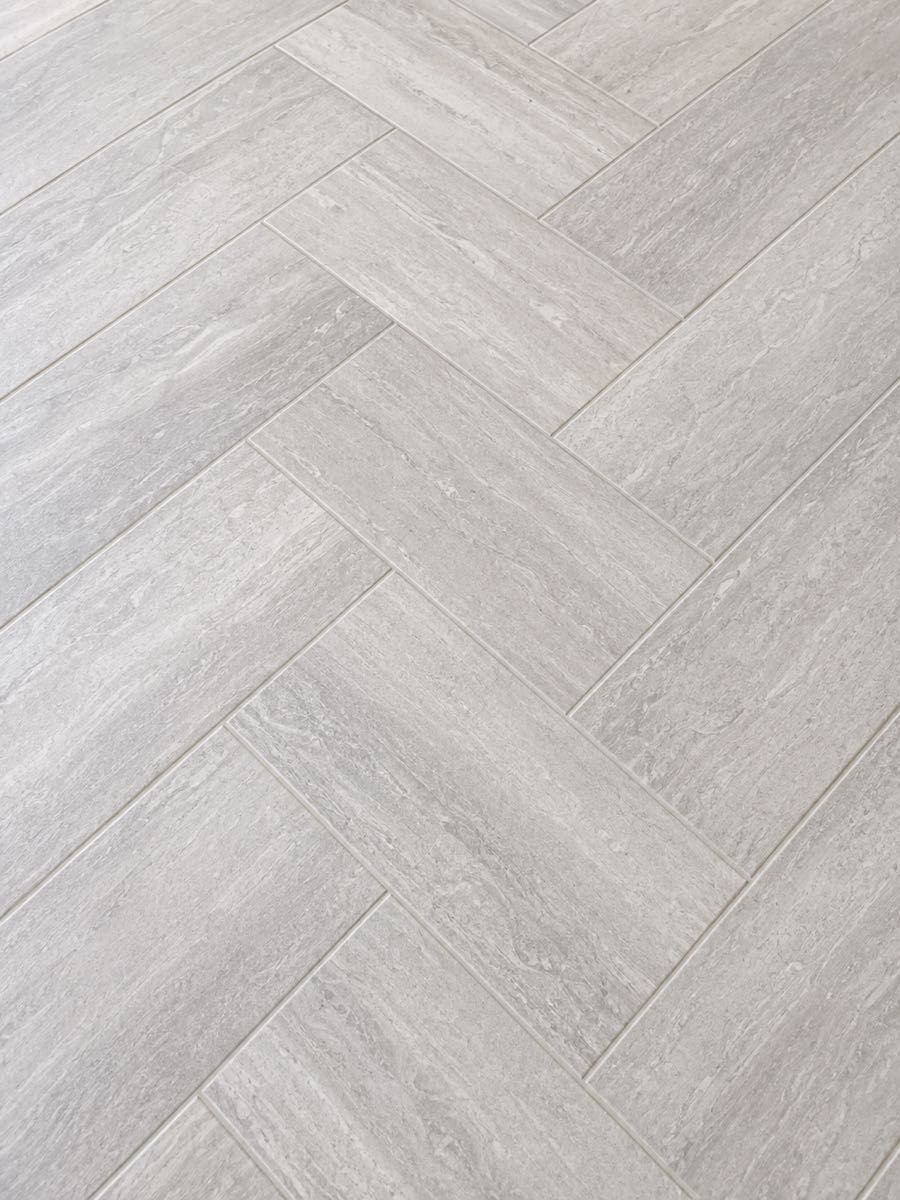
What Tile Flooring Installation Involves
A proper tile install starts well before the first tile goes down. We check the subfloor for flatness, since tile requires a flatter surface than almost any other flooring material, and any dip or hump can cause a tile to crack under weight later. On slab foundations, we typically recommend a crack-isolation or uncoupling membrane between the slab and the tile, which allows minor slab movement to happen without transferring stress directly into the tile and grout above it. From there we plan the layout to minimize small cut pieces, set the tile with the correct trowel and thin-set for the tile size, and finish with grout matched to your space.
When You Need New Tile Flooring
Tile makes sense anywhere water resistance and durability matter most: kitchens, bathrooms, laundry rooms, mudrooms, and entryways. It's also a popular choice for sunrooms and other spaces with a lot of direct sunlight, since it won't fade or warp the way some other materials can. If your current tile has multiple cracked pieces, discolored grout that won't come clean, or a dated pattern you want to update as part of a remodel, a new tile installation is usually more cost-effective than trying to patch an aging floor piece by piece.
Why Tile Flooring Problems Happen
Cracked tile and failing grout are, more often than any other cause, tied to what's happening underneath the tile rather than the tile itself. Ellis County's black gault clay soil expands significantly when it absorbs moisture and contracts hard during dry Texas summers, and that cycle flexes the concrete slab most homes here are built on. Without a crack-isolation layer between the slab and the tile, that flex transfers straight into the grout lines and eventually the tile itself, which is why so many homes in this area develop cracked tile years before the tile has actually worn out. Poor original installation, insufficient thin-set coverage or an unlevel subfloor, is the other common cause we see.
What Affects Tile Flooring Cost
Tile material cost varies widely, from basic ceramic to premium porcelain and natural stone. Tile size also affects labor: large-format tile looks great but requires a flatter subfloor and more careful installation, which can add labor cost. Crack-isolation membrane, pattern complexity like herringbone or diagonal layouts, and how much of your existing floor needs to be removed first all factor into the final price. We give you an itemized quote after seeing your space and discussing the look you want.
Repair vs. Replacement for Tile Flooring
A small number of cracked tiles can often be individually replaced, as long as matching tile is available and the surrounding grout is still in good shape. This works best when the crack is isolated and not a sign of ongoing slab movement. If cracks keep reappearing in the same area, or if a large section of the floor is affected, that's usually a sign the underlying prep needs to be redone, meaning a full replacement with proper crack-isolation membrane this time is the more lasting fix rather than repeatedly patching the same spot.
Tile Flooring FAQs
Why does tile crack so often in Waxahachie homes?
The most common cause is slab movement from Ellis County's expansive clay soil, especially in homes where the original tile installation didn't include a crack-isolation membrane. We add this layer on every slab installation to reduce the risk going forward.
How long does tile flooring installation take?
A bathroom typically takes one to two days. A full kitchen or larger open area usually takes three to five days, including grout cure time before the space can see normal foot traffic.
Is porcelain or ceramic tile better?
Porcelain is denser and more water-resistant, making it a better fit for bathrooms and exterior-adjacent spaces. Ceramic is generally less expensive and works well in lower-moisture areas like entryways and living rooms.
Can tile be installed over an existing tile floor?
Sometimes, if the existing tile is flat, well-bonded, and the added height won't cause problems at doorways. In most cases we recommend removing old tile first, especially on slab jobs where we want direct access to add a crack-isolation membrane.
How do I stop my tile grout from cracking again?
If grout keeps cracking in the same spot, the underlying cause is almost always movement, not the grout itself. A crack-isolation membrane installed under new tile is the most reliable fix rather than repeatedly re-grouting the same area.
Ready to talk about your tile flooring project? Fill out the form or call (857) 371-3693 for a free, no-pressure estimate.
Ready for New Tile Floors?
Call now for a free in-home estimate and a straight answer on cost.
Call (857) 371-3693